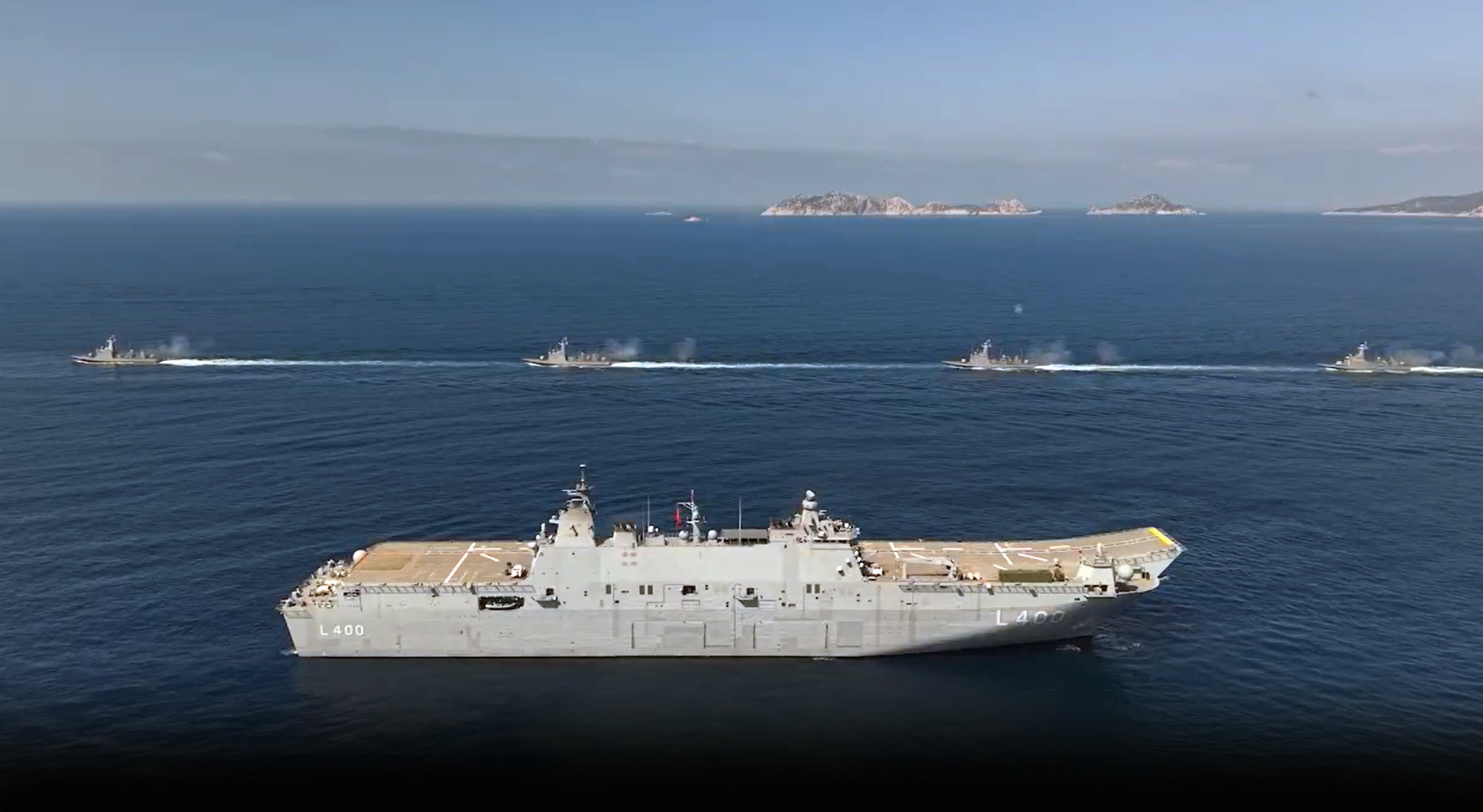
 The Turkish Navy concluded its annual Mavi Vatan exercise on 9 April after a week of operations across the Black Sea, Aegean Sea and Eastern Mediterranean.
Conducted between 3 and 9 April under the coordination of Fleet Command, the exercise involved approximately 15,000 personnel, 120 vessels and 50 aircraft drawn from the Turkish Naval Forces, as well as supporting elements from the army, air force and coast guard.
This year’s edition placed particular emphasis on simultaneous multi-theatre operations, with naval units conducting serials in three separate maritime regions at once — a demanding command-and-control undertaking intended to demonstrate the navy’s ability to sustain distributed operations across Turkey’s surrounding seas.
Participating naval forces included the amphibious assault ship TCG Anadolu, 12 frigates, four corvettes, 14 fast attack craft, 16 patrol vessels, 20 amphibious landing ships, eight mine hunters, five unmanned surface vehicles, two Coast Guard ships, six Coast Guard boats, and 29 auxiliary vessels.
The air component consisted of five maritime patrol aircraft, three general purpose fixed-wing aircraft, seven SH-70 naval helicopters, four AH-1W attack helicopters, one AB-212 helicopter, three general purpose helicopters, one heavy lift transport helicopter, two strike aircraft, and 24 unmanned aerial and strike vehicles.
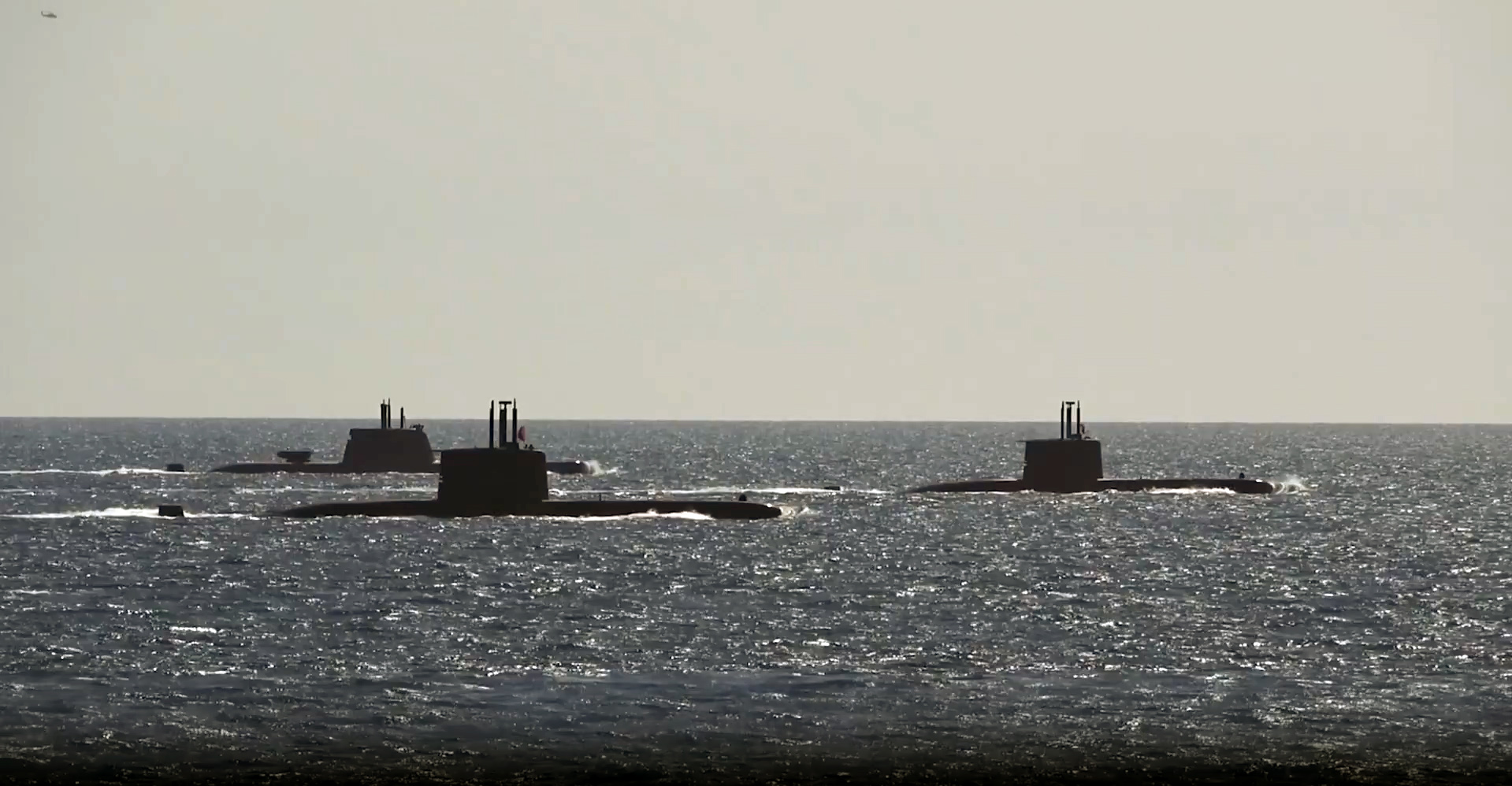
Training serials throughout the week covered a broad range of warfare areas, including amphibious assault, anti-submarine warfare, mine countermeasures, replenishment at sea, air defence, shore bombardment, and non-combatant evacuation operations. The exercise culminated in a live-fire phase in the Gulf of Antalya on 9 April.
That final phase featured a range of live weapons releases, including MAM-L precision-guided munitions, CİRİT laser-guided rockets, Hellfire missiles, TEMREN rockets, RIM-7 Sea Sparrow surface-to-air missiles.
The exercise also highlighted the Turkish Navy’s growing use of unmanned systems into fleet operations. Turkish officials integrated ANKA and AKSUNGUR unmanned aerial vehicles in communications relay roles during the drill, while kamikaze unmanned surface vehicles were employed in attack scenarios during the live-fire phase.

 devrimyaylali.com
Leave a comment