Scoring at Sea: Koç Bilgi ve Savunma’s Underwater Precision Tech
 I must admit, I felt a twinge of nostalgia when I saw the Koç Bilgi ve Savunma booth at IDEF 2025. It’s been more than 15 years since I worked for the Koç Group, but the name still triggers memories—some fond, some mixed, as is often the case.
Koç Bilgi ve Savunma continues to chart its own course in a very niche segment of the defence market. Their focus remains underwater warfare—particularly mine countermeasures and submarine operations. It’s a specialised field, and their product range reflects a deep commitment to technical precision and operational relevance.
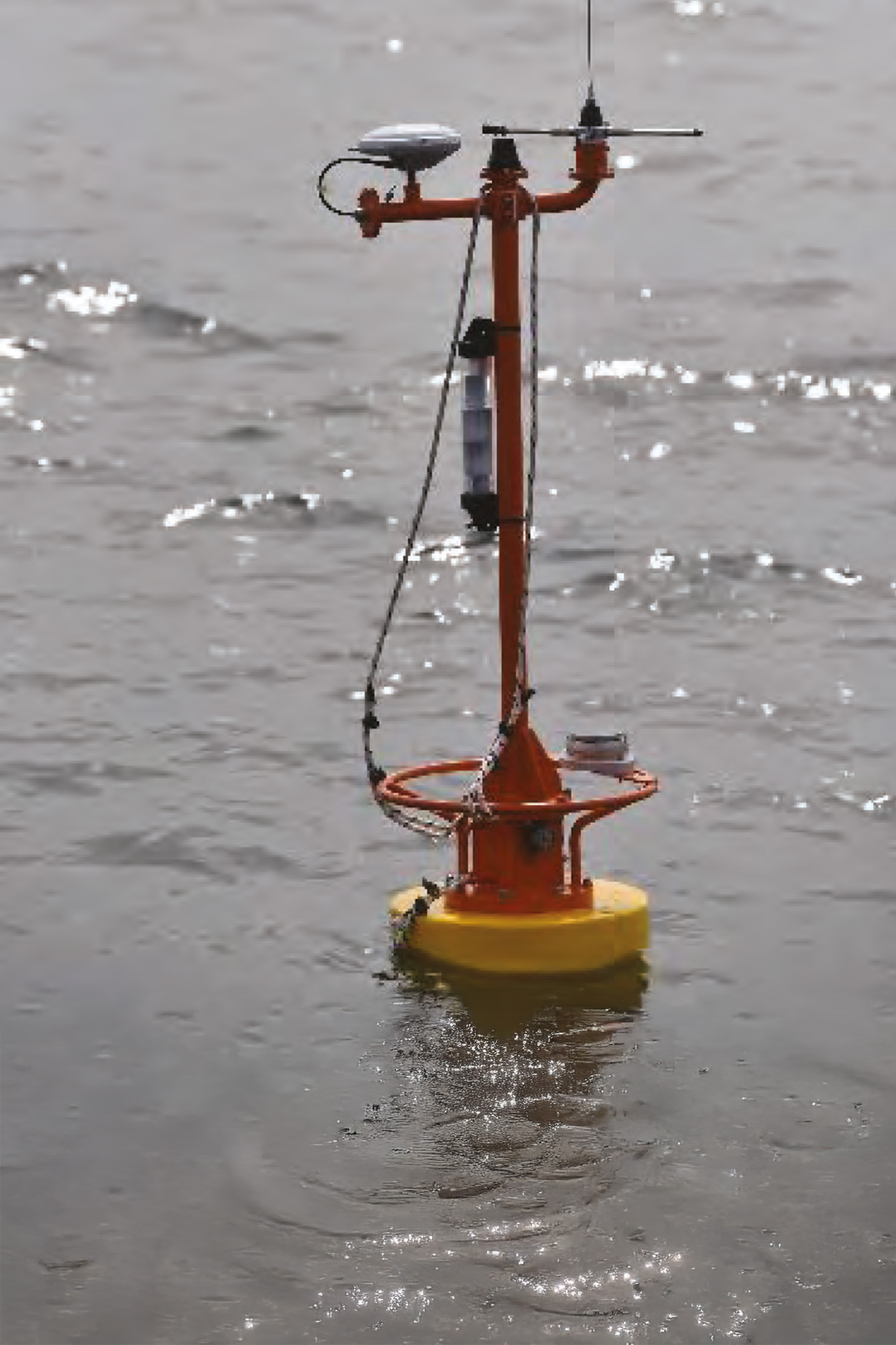
Among the solutions showcased—and now preparing for operational deployment—was the Offshore and Inshore Weapon Scoring System. This system stood out for its ingenuity. While the concept of using acoustic sensors to detect the source of incoming fire is well established on land (many modern armored vehicles already carry such sensitive microphone arrays), Koç has taken that idea offshore.
Instead of tanks, think buoys. Koç’s solution involves a set of smart buoys deployed around a naval gunfire range at sea. When a warship fires into this designated area, the buoys “listen” for the impact. Each buoy is equipped with underwater acoustic sensors that detect the sound of a shell hitting the water. By triangulating these acoustic signals and combining them with GPS-synced positioning data, the system can pinpoint the precise impact point of each round.
This information is wirelessly transmitted—either via RF or GSM—to a shore-based measuring station, where the data is compiled, analyzed, and displayed in real-time. The system not only measures accuracy but also contributes valuable feedback during the testing and certification of naval guns, fire control systems, and guided munitions. It essentially offers naval forces the same kind of shot-scoring capability that land forces take for granted.
Technically, the system detects ammunition impact points using six smart buoys distributed across a one-kilometer radius. It delivers a circular error probable (CEP) accuracy of less than five meters, operates effectively under sea states up to Beaufort Scale 2, and is fully synchronized with GPS time protocols. The wireless link between the buoys and the control station ensures a live data stream during exercises or test firings.
It’s a clever system—quietly practical, thoroughly engineered, and a good reminder that innovation isn’t always flashy. Sometimes, it’s about adapting proven ideas to new environments, and doing it with precision.

 devrimyaylali.com
Very impressive!!