This is the second part of my series on Türkiye’s newly declared ambition to acquire nuclear-powered submarines. In Part 1, I discussed why Türkiye believes it needs this capability. In this instalment, I explore what it would take—from nuclear technology and shipbuilding infrastructure to international cooperation and human capital.
Following the Turkish Navy’s newly stated ambition to operate nuclear-powered submarines, this second instalment explores the feasibility of such a bold step—examining the technological, industrial, political, and legal challenges Türkiye would need to overcome.
While acquiring nuclear submarines remains a long-term aspiration, it is undoubtedly a political and strategic goal—and like all major endeavours, it begins with a vision. Although the ambition is clear, the natural question remains: is such a goal even feasible?
Assessing feasibility requires breaking down the practical steps and obstacles involved in such a complex undertaking.
The question of whether Türkiye can feasibly develop a nuclear-powered submarine and acquire the technological capabilities necessary to produce such advanced platforms involves assessing several key factors: technological readiness, industrial capacity, political and legal considerations, and the broader geopolitical environment.
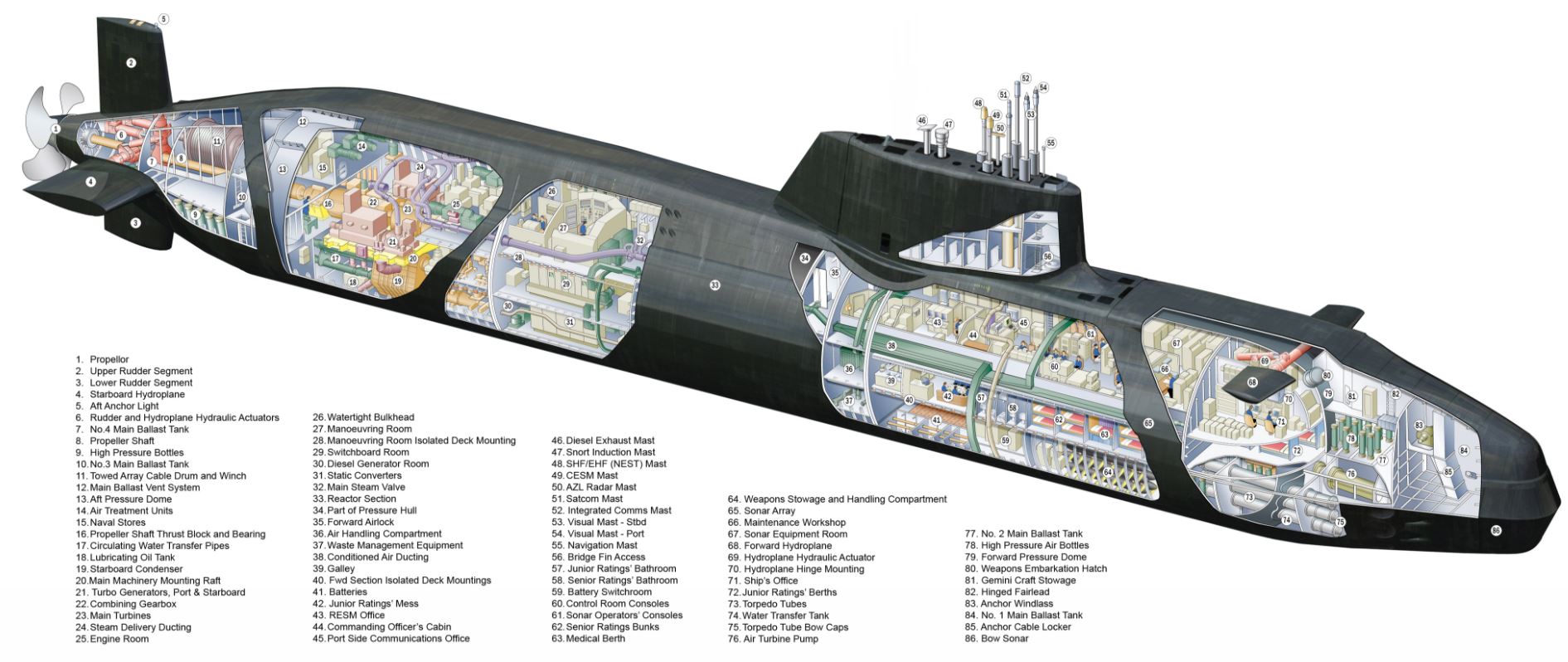
Türkiye would need to overcome significant technological challenges to design, build, and maintain a nuclear-powered submarine. The technology required spans several domains, including nuclear propulsion, advanced engineering, stealth, and weapons systems integration.
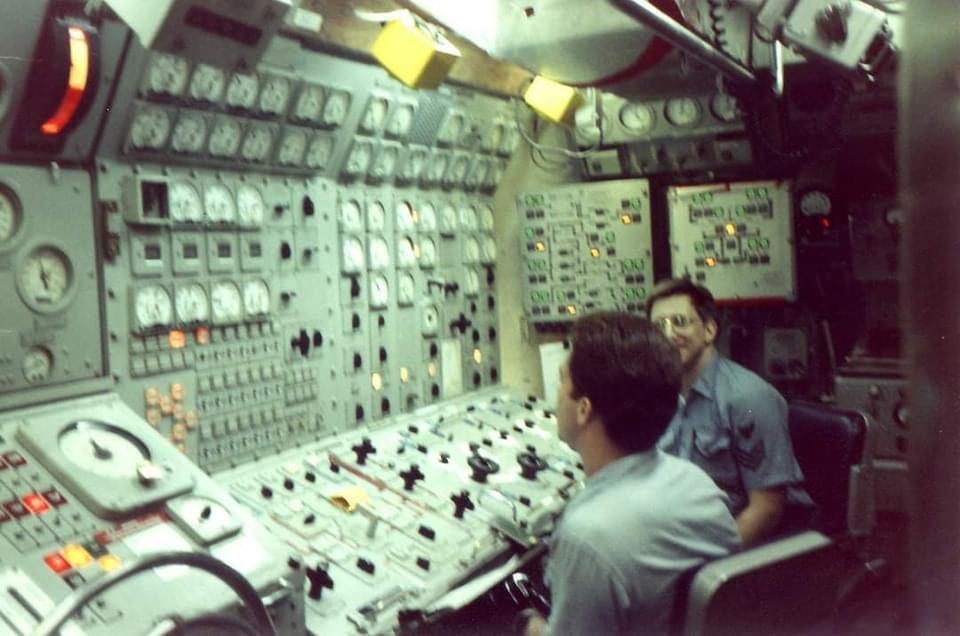
Nuclear propulsion offers vastly greater submerged endurance than conventional diesel-electric designs. Türkiye would need to develop or acquire the knowledge to construct, operate, and maintain nuclear reactors that can withstand the demanding conditions of submarine operations. Operating nuclear reactors on submarines requires highly trained personnel, and the design must ensure operational safety. This entails mastering reactor design and fuel cycle management, radiation shielding, and emergency protocols.
While Türkiye has a nuclear research program and some nuclear power experience, it does not yet possess the specialized expertise and infrastructure required to produce a naval-grade nuclear reactor.
Türkiye possesses shipbuilding capabilities, particularly at the Gölcük Shipyard, which has experience in building air-independent propulsion submarines such as the Reis-class. However, scaling up from conventional to nuclear-powered designs would require extensive infrastructure investment in specialized facilities for nuclear reactor production, safety testing, and the handling of radioactive materials.
To overcome the steep learning curve associated with nuclear submarine construction, Türkiye might pursue partnerships or technology transfer agreements.
Developing a nuclear-powered submarine is not a short-term project. Even for established naval powers, such efforts typically span decades from conception to deployment.
Pursuing such an ambitious project also carries strategic and financial risks. If not properly resourced and phased, it could result in significant delays or sunk costs—challenges that have plagued similar programs in other nations.
Nevertheless, with the right mix of political will, technological investment, and international cooperation, Türkiye could eventually realize this vision. In the next and final part of this series, we will examine what such a program would cost.

 devrimyaylali.com
The Türkiye ambition to own and operate nuclear submarines came as a surprise considering they were doing well producing conventional subs at a reasonable rate though their naval fleet construction may be a few years behind due to delays. At the moment it would take a considerable budget and a longer time frame to build such nuclear subs assuming the R & D as well as sourced components have been accessed beforehand. Other interested nations may include Pakistan, Bangladesh and Brazil. Have other types of alternative advanced subs been explored? Living in a nuclear world is concerning enough.