In a resounding display of technological prowess, Turkey has embarked on the serial production of three groundbreaking weapon systems: the indigenously developed Akya heavyweight torpedo, the Atmaca surface-to-surface anti-ship guided missile, and the Sapan anti-aircraft air-defense missile. The milestone in the production of these cutting-edge systems was marked by a contract signing ceremony held on 20 January, as confirmed by the Turkish Ministry of Defence.
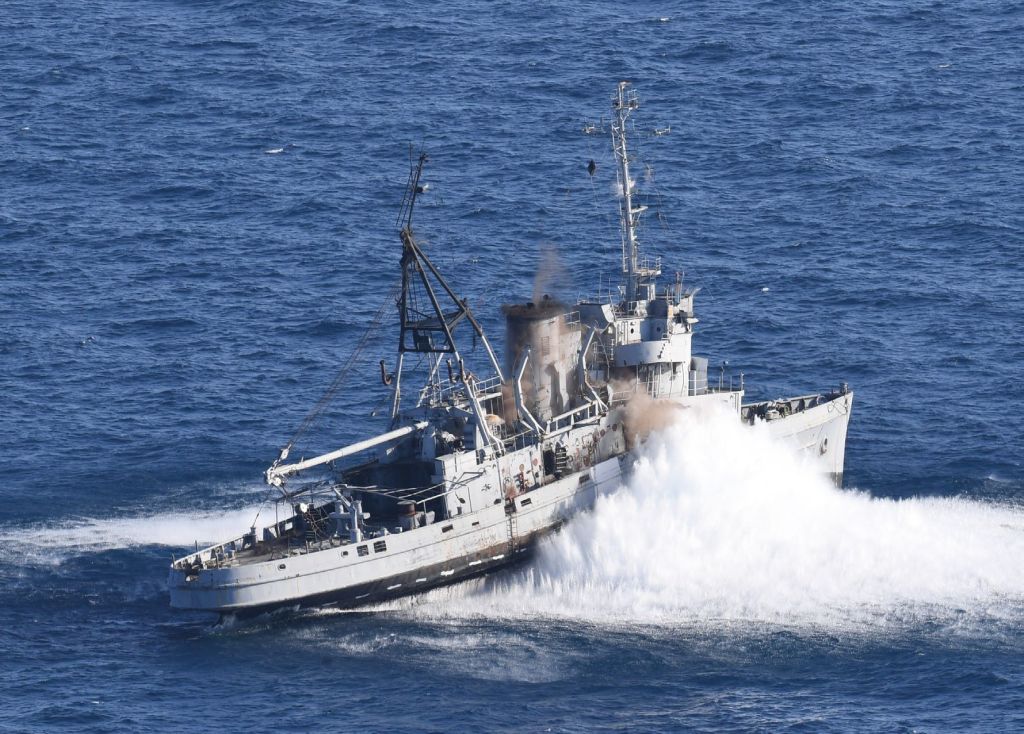
Roketsan’s Akya HWT, in development since 2009, achieved initial operational capability on 27 December 2023. This milestone was reached after a successful test-firing from the TCG Preveze submarine. The torpedo accurately hit the decommissioned Cherokee-class tugboat TCG Gazal (ex-USS Sioux) from a distance of 12,000 yards, ultimately sinking it.
The Atmaca is a long-range anti-ship cruise missile designed by Roketsan. Intended to replace Turkey’s existing inventory of Harpoon missiles, the Atmaca project commenced in 2009. Roketsan, serving as the prime contractor, initiated design studies in September 2012. In June 2021, the Atmaca achieved initial operational capability.
Adding another dimension to Turkey’s indigenous arsenal, the Sapan air defense missile emerges as the successor to the Evolved Seasparrow Missile. Derived from Roketsan’s Hisar RF surface-to-air missile, the Sapan made its debut on the frigate TCG Istanbul. While specific specifications remain undisclosed, its range is reported to exceed 35 kilometers. Currently, Roketsan is integrating the Siper air defense system with the Midlas vertical launching system on I-class frigates, enhancing the navy’s ability to engage aerial targets at ranges surpassing 100 kilometers.
When analyzing the significance of these three weapon projects, it is crucial to move beyond the simplistic notion that they are mere substitutes for foreign systems that Turkey can no longer access. The developmental trajectories of Atmaca and Akya extend far back in time, predating the strained relations between the USA and Turkey that led to the imposition of CAATSA sanctions.
The origins of these projects are rooted in a more profound motive—the Turkish Navy’s steadfast commitment to achieving complete independence from foreign influences in their primary weapon systems. For the Turkish Navy, the quest for absolute control over all systems installed on their warships, software included, has been an enduring aspiration. This commitment materialized in the establishment of an integral Research and Development center known as Armerkom. Among its pioneering initiatives was the development of both hardware and software for a combat management system (CMS). The CMS, serving as a cornerstone in striking the enemy efficiently, underscored the strategic importance of autonomous control.
This imperative for control transcends into the realm of weapon systems, where autonomy becomes paramount. Notably, certain aspects of weapon systems, such as the Harpoon anti-ship missiles or Mk-48 heavyweight torpedoes, remain veiled from end-users outside the US Armed Forces. The opacity surrounding these systems raises questions in the minds of end-users: will these weapons perform as expected? The pursuit of self-reliance and autonomy in naval capabilities stands as the driving force behind these endeavors.
In the broader context of naval warfare, weapon systems constitute the linchpin for engaging adversaries effectively. The desire for 100% control over these systems is not merely a technical preference but a strategic imperative. It fosters a sense of assurance and confidence among naval commanders, knowing that the weapons at their disposal will behave precisely as intended. This pursuit of assurance aligns with the broader vision of the Turkish Navy to fortify its self-sufficiency,
The next generation Turkish warships will have indigenous weapons and combat management systems and sensors. They may not be most sophisticated ones or the most state of ats ones but they will bring undisputed benefits.
First and foremost, self-sufficiency in weaponry enhances a nation’s security by reducing dependency on external sources for critical components. This autonomy ensures a continuous and reliable supply of weapons, mitigating vulnerabilities associated with geopolitical uncertainties or disruptions in foreign relations.
Furthermore, having indigenous control over the entire weapons system, from sensors to combat management, allows for seamless integration and optimization of performance. The Turkish Navy can tailor the technology to specific operational requirements, cheaper and faster, ensuring a higher degree of interoperability and adaptability in diverse maritime environments.
Moreover, investing in indigenous capabilities fosters a robust defense industrial base, stimulating technological innovation and job creation within Turkey. The development and production of cutting-edge naval technologies contribute to the growth of a skilled workforce and a competitive defense industry, positioning the nation as a technological leader in maritime security. The cumulated knowhow has started to bear fruits as increased exports of Turkish warships and naval subsystem abroad.
In conclusion, these weapon projects symbolize a proactive stride towards sovereignty and technological autonomy within the Turkish Navy. Beyond the surface-level perception of replacements for inaccessible foreign systems, they signify a paradigm shift toward comprehensive control and self-reliance. This strategic vision, evident in the establishment of Armerkom and the meticulous development of CMS and weapon systems, exemplifies the Turkish Navy’s commitment to shaping its destiny in the maritime domain

 devrimyaylali.com