The maritime theatre of the conflict in the Black Sea region unfolds as a captivating saga of strategic manoeuvres, asymmetric responses, and lessons in the resilience of nations.
This was my thought in the early months of 2023 about the war in the Black Sea:
In the first few weeks of the invasion, the Russian Black Sea Fleet indeed did dominate the seas. The immediate occupation of Snake Island in the western part of the Black Sea was done quickly and efficiently. It enabled Russia to control the approaches to the main Ukrainian ports outside of the Azov Sea. The majority of the Ukrainian warships were out of action. They were either scuttled by their crew, seized by advancing Russian troops or sunk in action. The Russian amphibious ships sailing off the Ukrainian coast pretending to make a landing, tied up land forces near the coast when they were urgently needed on other fronts. The Kalibr salvos from frigates, corvettes, or submarines destroyed important Ukrainian military targets or infrastructure.
For a few weeks in the Spring of 2022, the Russian Black Sea Fleet seemed to have total dominance over the Black Sea and was dictating the action upon the Ukrainian side. The Ukrainian Navy was largely absent in action and no civilian ship could enter or leave the Ukrainian ports, bringing seaborne foreign trade in Ukraine to a complete halt.
We now have the hindsight that this dominance was not as total as Russia wanted us to believe. The Black Sea Fleet leadership failed to keep the ships in a fully operational state -as turned out to be the case in the loss of Moskva. The crews received inadequate training in damage control or their equipment failed or did not function. Even in the absence of a naval force, Ukraine was determined to break the Russian choke and push the Black Sea Fleet away from the Ukrainian coast by asymmetrical means. With the attack on the cruiser Moskva, Ukraine was able to take in the initiative from Russia.
Less than a month later, as a direct result of Russia abandoning Snake Island, the Black Sea Grain Initiative was signed, and Ukraine was able to export its grain to the whole world again. The naval front of the war is at a stalemate. While the Russian side has a clear superiority in numbers and capability it lacks the will and apparently the courage to bring the war back to Ukraine’s shores again. The Russian seems to be happy with the “fleet in being”.
On the other hand, Ukraine was able to create its own humble A2/AD bubble without a navy and break the Russian Fleet’s will to fight. But it lacks the very basic ability of any naval force to conduct any operations on high seas and has very limited means to bring the fighting to the Russian shores.
Thankfully no one in the Ukrainian General Staff was paying too much attention to my words, especially to my last paragraph. They have found two very effective and easy ways to bring the fighting to Russian shores: Unmanned suicide surface vessels and a lethal combination of Russian attack aircraft and Western cruise missiles.
In the second half of 2023, Ukraine was able to deal a great blow to the Russian Black Sea Fleet. Two Ropucha class landing ships Minsk and Novocherkassk, one Karakurt class corvette Askold and an improved Kilo-class submarine Rostov-na-Donu were destroyed by Strom Shadow missiles. The Ukrainians hit them when they were most vulnerable either at a pier or in a dry dock.
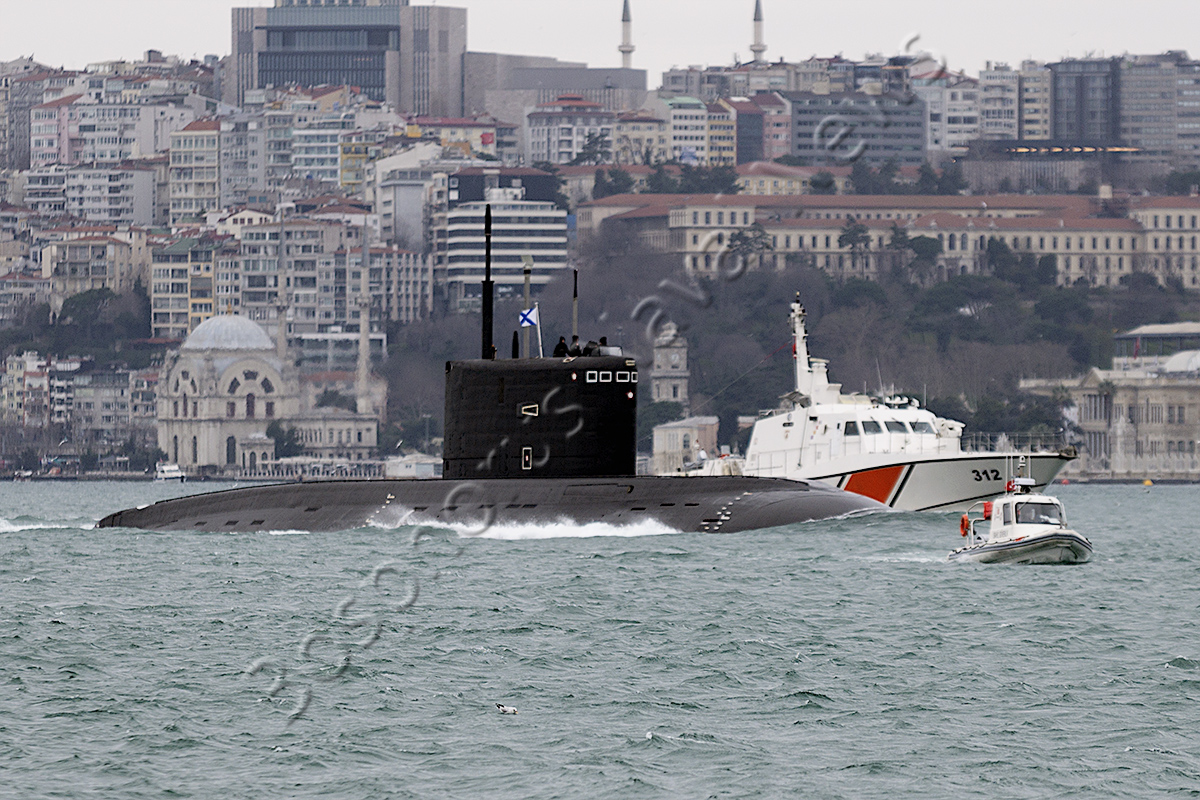
The damage to the submarine Rostov-na-Donu is more damming to the Russian Black Sea Fleet than the loss of the other ships. The improved Kilo class submarine was one of the few remaining Kalibr firing platforms that could move to and away from the Ukrainian shores without being harassed by Ukrainian unmanned surface vessels. The submarine has earned the reputation of being the first submarine to be lost to an enemy without any means of ASW.
These cruise missile and suicidal USV attacks forced the Russian Fleet to move its warships further east each time diminishing their choke on the Ukrainian ports. The Russian Fleet has no longer the initiative and cannot threaten Ukraine as it did at the start of the invasion. One important aspect of keeping the naval forces as a fleet in being is the keep the ships afloat in the case they might be used. If Russian warships are taken out of action at their drydocks or at pier sites like targets at a shooting gallery Russia might have a fleet in being anymore.
The Russian A2/AD bubble hyped very much before the start of the Russian invasion in Ukraine seems to be helpless in defending the naval shipyards, naval Headquarters and important port facilities from enemy surface and air attacks.
The evolving narrative of the naval front in the ongoing war in Ukraine provides profound lessons in the complexities of maritime warfare and the resilience of nations facing overwhelming odds. The Russian Fleet, despite numerical and capability superiority, grappled with internal operational challenges, allowing Ukraine to employ asymmetrical means and regain the initiative.
The shift in dynamics, highlighted by Ukraine’s successful implementation of unmanned suicide surface vessels and precision strikes, demonstrates the adaptability and resourcefulness of a determined nation. In the latter half of 2023, the Ukrainian forces strategically targeted Russian warships at vulnerable points, disrupting the fleet’s chokehold on Ukrainian ports. The concept of a “fleet in being” lost its potency as Russian ships became susceptible to precision attacks. The ongoing conflict in the Black Sea serves as a vivid case study, offering valuable insights into the evolving nature of modern naval strategies and the vulnerabilities that even technologically advanced fleets may face in the face of determined and resourceful adversaries.

 devrimyaylali.com